Common Household Hazards: Are They Affecting Your Eye Health?
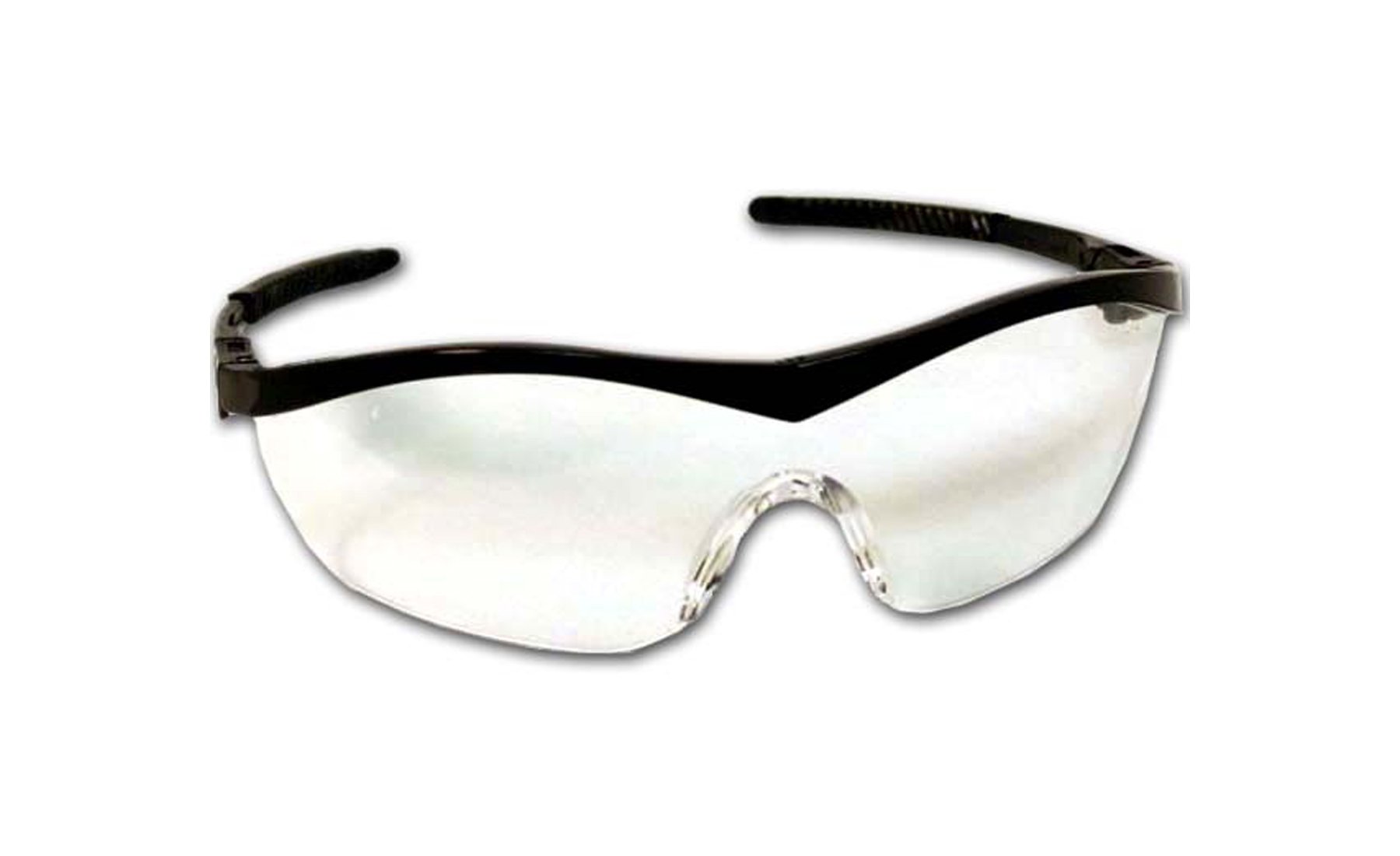
Many individuals may not realize that common household hazards can significantly impact eye health. Everyday products such as cleaning agents, paints, and personal care items can release harmful vapors or contain particles that may irritate the eyes or even lead to long-term vision problems. For instance, ammonia and bleach, often found in household cleaners, can be particularly damaging if they come into contact with your eyes. To minimize these risks, it’s essential to store such items safely, use them in well-ventilated areas, and wear protective eyewear when necessary.
Additionally, environmental factors within the home, such as poor lighting and excessive screen time, can also strain your eyes. According to the American Optometric Association, improper lighting can lead to eye strain and discomfort, especially when reading or working on a computer. It is advisable to ensure adequate lighting and take regular breaks when using screens. Simple changes, like adjusting your workspace or using blue light filters, can significantly enhance your eye health in these circumstances.
If you are looking to enhance your privacy while working on your computer, check out the Top 10 Privacy Screens for Monitors. These screens are designed to prevent onlookers from viewing your screen while still allowing you to see clearly. Investing in a high-quality privacy screen can greatly increase your focus and reduce distractions in shared work environments.
Digital Eye Strain: How Screen Time is Harming Your Vision
Digital eye strain, also known as computer vision syndrome, has become an increasingly common issue in our screen-dominated lives. With the average adult spending over 11 hours a day engaging with digital devices, the impact on our vision is profound. Symptoms can include dry eyes, blurred vision, and headaches, which are primarily caused by prolonged exposure to screens without adequate breaks. It's essential to recognize that the blue light emitted from devices can disrupt your sleep cycle, leading to further eye strain and fatigue.
To mitigate the effects of digital eye strain, consider adopting the 20-20-20 rule: every 20 minutes, take a 20-second break and look at something 20 feet away. Furthermore, adjusting your screen brightness, using anti-reflective lenses, and ensuring proper lighting in your workspace can significantly reduce discomfort. Remember, taking proactive steps to care for your vision is crucial in our digital age, as ignoring these signs can lead to long-term damage and diminished quality of life.
Are Your Dietary Choices Hiding Hidden Dangers for Your Eyes?
Your dietary choices play a crucial role in maintaining your overall health, and surprisingly, they can also impact your eye health. Many people are unaware that specific foods and nutrients can either promote better vision or exacerbate existing eye conditions. For example, diets high in fruits and vegetables rich in antioxidants—such as leafy greens, carrots, and berries—can help protect your eyes from oxidative stress and reduce the risk of macular degeneration. Conversely, excessive consumption of processed foods, sugary drinks, and saturated fats may lead to inflammation and poorer eye health. Understanding these connections can empower you to make more informed decisions that support not just your general well-being but also your vision.
In addition to promoting healthy dietary choices, it's essential to recognize certain hidden dangers in your eating habits. For instance, the increasing popularity of fast food has led to a surge in dietary patterns that may contain high levels of trans fats and added sugars, both of which can contribute to obesity and increase the risk for conditions like diabetes, ultimately affecting eye health. Furthermore, many individuals overlook the importance of hydration in maintaining optimal vision; insufficient water intake can lead to dry eyes and discomfort. To safeguard your eyes, consider creating a balanced meal plan that includes a variety of nutrients crucial for eye health, such as omega-3 fatty acids, lutein, and zeaxanthin. By being proactive about your dietary choices, you can not only enhance your vision but also protect it from hidden dangers.